Tobiko: The Tiny, Flavorful Sushi Delight
Tobiko: The Tiny, Flavorful Sushi Delight
When it comes to sushi, the vibrant colors, unique textures, and delicate flavors create an unforgettable culinary experience. Among these, tobiko has gained worldwide popularity for its crunch, subtle taste, and stunning appearance. But what exactly is tobiko, and how does it differ from other fish eggs used in sushi? In this article, we’ll explore everything about tobiko, its use in tobiko sushi, nutritional benefits, and how it compares to masago.
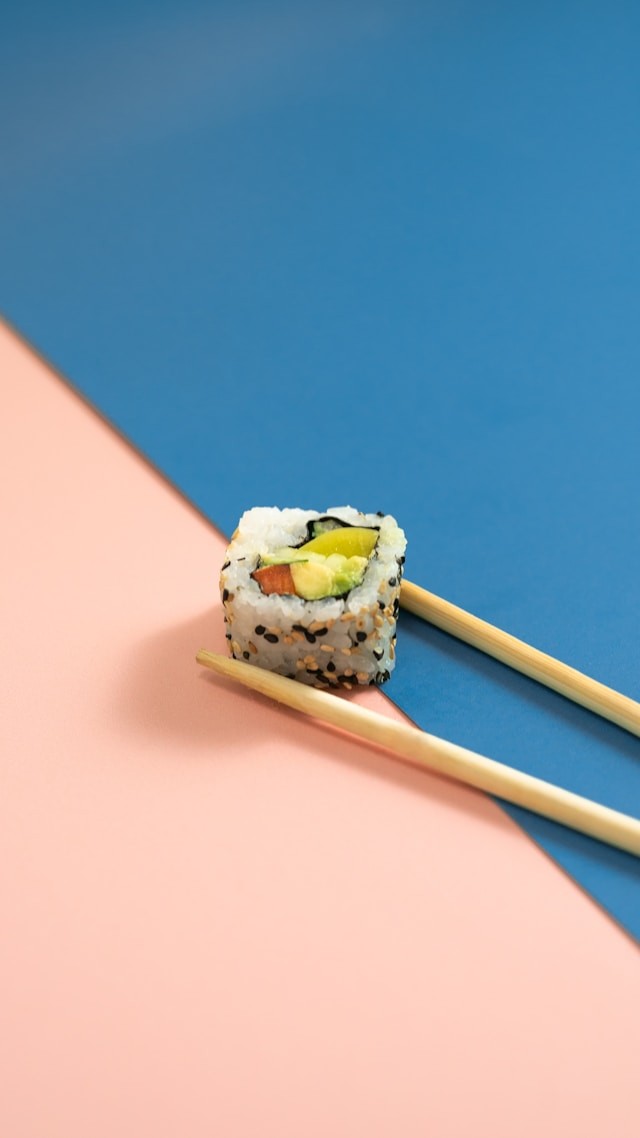
What Is Tobiko?
Tobiko is the Japanese word for the roe (eggs) of the flying fish. These tiny eggs are usually about 0.5–0.8 millimeters in diameter, slightly larger than the more commonly known masago (capelin roe). Tobiko is famous for its crunchy texture, bright colors, and mildly smoky, slightly salty taste that enhances a variety of dishes.
Unlike some fish eggs, tobiko is often naturally orange-red, although it can also be dyed with natural ingredients to create colors like:
- Black: Squid ink
- Green: Wasabi
- Red: Natural chili or beet extract
- Yellow: Yolk or saffron
Tobiko is most commonly associated with sushi, adding both flavor and aesthetic appeal to rolls and sashimi. Its crunchy texture provides a delightful contrast to soft rice and tender fish.
Tobiko Eggs: A Nutritional Powerhouse
While tobiko may be small, its nutritional content is impressive. It is rich in protein, omega-3 fatty acids, and essential vitamins, making it a healthy addition to your diet. Here’s a closer look at what tobiko eggs offer:
- Protein: Supports muscle repair and overall body functions.
- Omega-3 fatty acids: Promote heart health, reduce inflammation, and improve brain function.
- Vitamins: Particularly vitamin B12, essential for energy metabolism and nerve health.
- Minerals: Contains phosphorus, selenium, and magnesium, which support bone health and immunity.
However, it’s worth noting that tobiko is high in sodium, especially when prepared with soy sauce or salted for sushi. Consuming it in moderation is recommended for those monitoring salt intake.
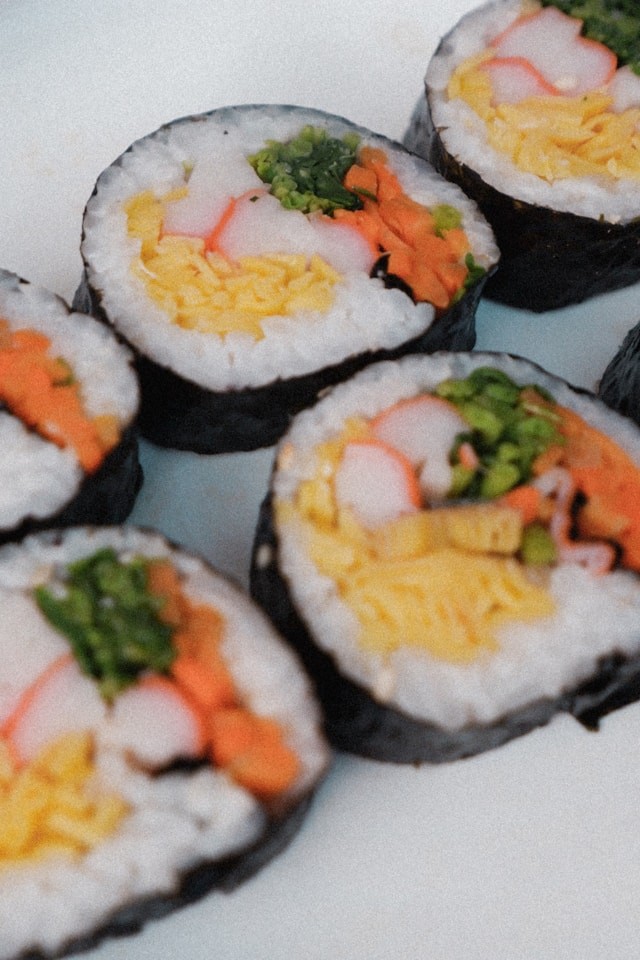
Tobiko Sushi: A Visual and Flavorful Treat
Tobiko is a sushi staple, appearing in various forms and dishes. Its bright, glossy appearance and subtle crunch make it perfect for enhancing both flavor and presentation. Some popular ways tobiko is served in sushi include:
1. Tobiko Nigiri
Nigiri is a traditional sushi style featuring a slice of fish atop a small mound of rice. Tobiko can be sprinkled on top of the fish or used as a garnish. Sometimes, chefs even use tobiko as the main topping, offering a burst of texture and color.
2. Tobiko Rolls
Tobiko is frequently used in maki rolls. Some creative sushi rolls have tobiko on the outside, giving the roll a visually appealing coating while adding a slight crunch with every bite.
3. Tobiko Toppings
Tobiko is often used to top other dishes such as:
- Avocado slices
- Spicy tuna bowls
- Sashimi platters
- Seafood salads
Its crunchy texture enhances dishes, providing a satisfying contrast to softer ingredients like avocado, tuna, or cooked seafood.
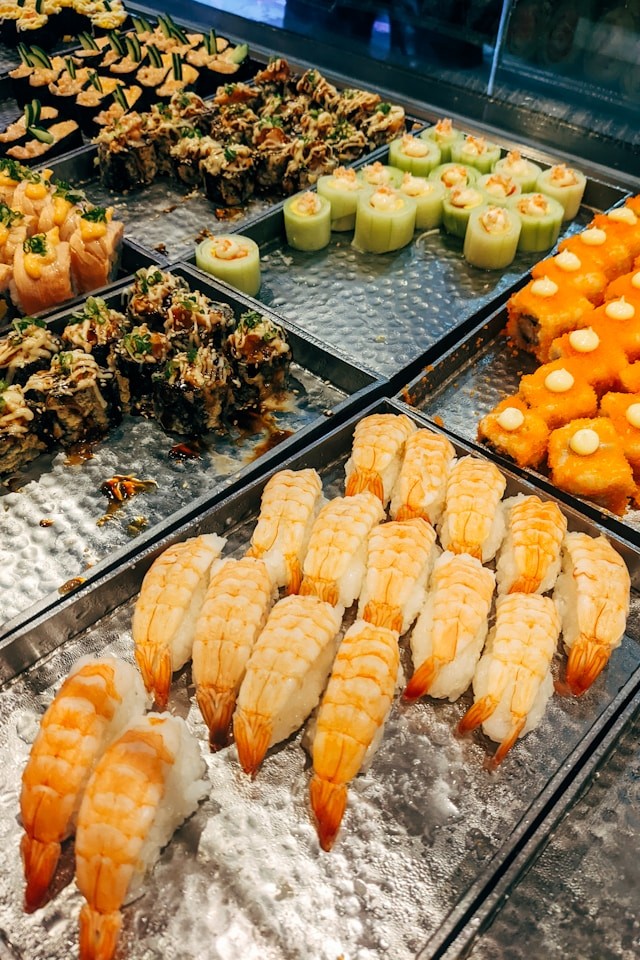
How Tobiko Differs from Masago
Many sushi lovers often confuse tobiko with masago, another type of fish roe. Understanding the difference helps you appreciate their unique qualities:
Feature Tobiko Masago
Fish Source Flying fish Capelin
Egg Size 0.5–0.8 mm (larger) 0.5 mm (smaller)
Texture Crunchy, firm Soft, slightly chewy
Flavor Mildly smoky, salty Mild, slightly sweet
Color Options Orange, black, red, green. Usually orange, can be dyed
Price More expensive Less expensive
Tobiko is prized for its texture and appearance, while masago is more budget-friendly and slightly less crunchy. Both are commonly used in sushi, but chefs often prefer tobiko for premium dishes and presentations.
How to Serve Tobiko at Home
If you want to enjoy tobiko at home, it’s easier than you think. Here are some tips for serving and using tobiko:
- Chilled and Fresh: Keep tobiko refrigerated until serving. It’s best eaten fresh for maximum crunch.
- Sushi Rolls: Sprinkle tobiko on top of rolls for a professional sushi restaurant look.
- Garnish: Use tobiko to garnish avocado slices, sashimi, or poke bowls.
- Flavor Combinations: Pair with ingredients like cucumber, avocado, spicy mayo, or sesame seeds.
Pro tip: Avoid cooking tobiko at high heat. Its delicate texture can break down, reducing the characteristic crunch that makes it so appealing.
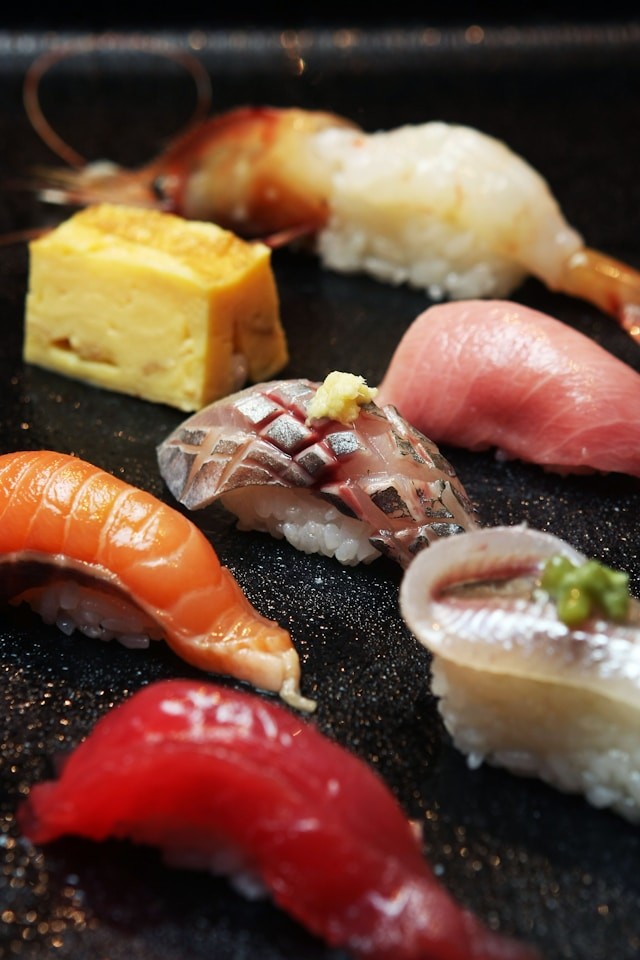
Tobiko Colors and Their Meanings
Tobiko’s vibrant colors not only enhance dishes visually but also subtly affect flavor. Here’s what each color offers:
- Red Tobiko: Traditional, mildly salty, the most common type.
- Black Tobiko: Made with squid ink, adds subtle umami notes.
- Green Tobiko: Flavored with wasabi, giving a gentle spiciness.
- Yellow Tobiko: Less common, slightly sweeter or egg-flavored.
Chefs often mix tobiko colors to create visually striking dishes, which is especially popular in fusion sushi rolls.
Buying and Storing Tobiko
Tobiko is sold in sushi restaurants, specialty stores, or online seafood markets. When buying, look for:
- Bright, glossy appearance
- Firm texture (eggs shouldn’t be mushy)
- Clear labeling (frozen vs. fresh)
Storage tips:
- Refrigerate immediately after opening.
- Consume within 1–2 days once opened.
- Keep sealed in an airtight container to maintain freshness.
Freezing is possible but may slightly affect texture. For the best sushi experience, fresh or properly thawed tobiko is ideal.
Tobiko vs Masago: Choosing the Right Roe
Choosing between tobiko and masago depends on your culinary needs:
- Tobiko: Perfect for premium sushi presentations, garnishes, or dishes where texture and visual appeal are crucial.
- Masago: Suitable for everyday sushi, budget-friendly options, and dishes where subtle roe flavor is desired.
Many sushi enthusiasts enjoy mixing both in rolls to combine affordability with a crunchier texture, enhancing both taste and presentation.
Tobiko in Global Cuisine
Although tobiko is traditionally Japanese, it has found its way into global cuisine. Chefs worldwide use tobiko creatively in:
- Sushi burritos
- Poke bowls
- Gourmet seafood salads
- High-end appetizers
Its crunchy texture, vibrant color, and mild taste make it versatile for fusion dishes beyond traditional sushi.
Health Considerations When Eating Tobiko
While tobiko is nutritious, there are a few considerations:
- Sodium Content: High salt levels may be a concern for those with hypertension.
- Allergies: Tobiko is fish roe, so anyone with seafood allergies should avoid it.
- Pregnancy: Like other raw seafood, consult a doctor before consumption during pregnancy.
Moderation is key, as tobiko is both a flavorful and potent ingredient.
FAQs
1. What is tobiko made from?
Tobiko is the roe of flying fish, known for its crunchy texture and bright color.
2. How is tobiko different from masago?
Tobiko is slightly larger, crunchier, and more expensive, while masago is smaller, softer, and milder in flavor.
3. Can I eat tobiko raw?
Yes, tobiko is commonly eaten raw in sushi and sashimi.
Reactions
Be the first to write a review.
Tobiko, commonly known as flying fish roe, is a popular ingredient in Japanese cuisine. Famous for its crunchy texture, vibrant colors, and slightly smoky flavor, tobiko is widely used in sushi rolls,
Read more
13-05-2025 - Best Kebab Near Me Discover the Top Kebab Shops in Your Area
Whether you're craving a late-night snack or looking for a delicious meal to enjoy with friends and family, there's nothing quite like the satisfying taste of a freshly made kebab. With so man
Read more
Author

Marc Slachter