Pulmonologist Near Me: Find Trusted Lung Specialists
Pulmonologist Near Me: Find Trusted Lung Specialists
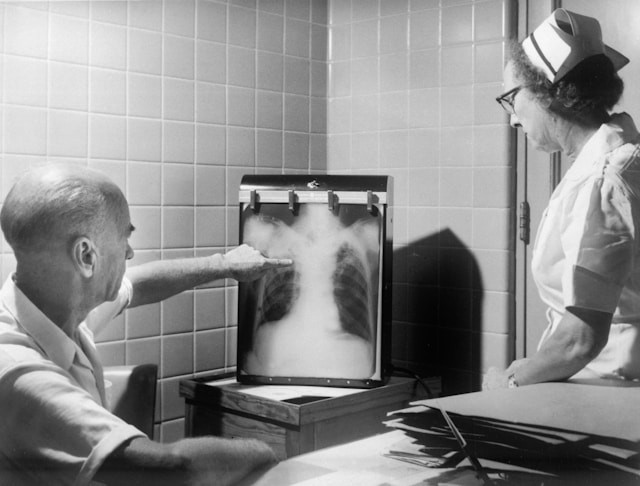
A pulmonologist is a medical doctor who specializes in the respiratory system, which includes the lungs, airways, and breathing muscles. These experts diagnose and treat a wide range of pulmonary conditions—from asthma and COPD to pneumonia and lung cancer. They are highly trained in both clinical and hospital settings and often work alongside other specialists, such as allergists, cardiologists, and oncologists.
When Should You See a Pulmonologist?
If you experience any of the following symptoms or conditions, it may be time to consult a pulmonologist:
- Chronic cough (lasting more than 3 weeks)
- Shortness of breath
- Wheezing
- Frequent respiratory infections
- Chest pain or tightness
- Persistent fatigue
- Diagnosis of COPD, asthma, bronchitis, or interstitial lung disease
Pulmonologists are also involved in the long-term management of chronic respiratory diseases, especially for patients who require oxygen therapy, ventilators, or pulmonary rehabilitation.
Finding a Pulmonologist Near Me
Searching for a "pulmonologist near me" is the most common and convenient way to start. Whether you live in a big city or a rural area, there are tools and strategies to help you find a reliable lung specialist close by.
Tools to Find a Pulmonologist
- Google Maps or Apple Maps: Simply typing "pulmonologist near me" will give you a list of nearby doctors with reviews and ratings.
- Health Insurance Provider Website: Most insurance companies offer a search function to find in-network pulmonologists.
- Doctor Review Platforms: Sites like Healthgrades, Zocdoc, and RateMDs allow you to read reviews and even book appointments.
- Hospital Websites: Many hospitals have directories of affiliated specialists, including pulmonologists.
What to Look For
- Board Certification: Make sure the pulmonologist is board-certified in pulmonary disease.
- Experience: Specialists with years of experience often have a broader knowledge of complex conditions.
- Patient Reviews: These provide insight into bedside manner, office cleanliness, and wait times.
- Availability: Check how soon you can get an appointment—important for urgent issues.

Pediatric Pulmonologist Near Me
Pediatric pulmonologists specialize in lung and respiratory problems in infants, children, and adolescents. They are trained to treat conditions like asthma, cystic fibrosis, chronic lung infections, and congenital lung abnormalities.
Signs Your Child May Need a Pediatric Pulmonologist
- Chronic coughing, especially at night
- Frequent colds or bronchitis
- Breathing difficulties
- Noisy or wheezy breathing
- Recurrent pneumonia
- Diagnosis of cystic fibrosis, sleep apnea, or neuromuscular disorders
Pediatric pulmonologists use child-friendly approaches and work closely with families to manage long-term respiratory care.
How to Find One Near You
- Ask Your Pediatrician: A referral is often the best first step.
- Children’s Hospitals: These facilities usually have pulmonology departments.
- Online Searches: Use "pediatric pulmonologist near me" in your preferred search engine.
- Support Groups: Parents dealing with chronic pediatric illnesses often share specialist recommendations.
Pulmonologist vs. Pediatric Pulmonologist
Criteria Pulmonologist Pediatric Pulmonologist
Treats Adults Infants, children, teens
Common Conditions COPD, asthma, lung cancer Pediatric asthma, cystic fibrosis
Environment Hospitals, clinics Children’s hospitals, pediatric centers
Approach Adult-focused Child-friendly, family-oriented
Treatment Methods in Pulmonology
Pulmonologists use a variety of tools and treatments depending on the condition:
- Bronchoscopy: A camera used to inspect the lungs internally.
- Pulmonary Function Tests (PFTs): Measure how well the lungs are working.
- Chest X-rays and CT Scans: Identify abnormalities.
- Biopsy: Small tissue samples to check for cancer or infection.
- Inhalers and Nebulizers: For asthma or COPD.
- Oxygen Therapy: For patients with low blood oxygen levels.
- Mechanical Ventilation: For critically ill patients.
Pulmonary Conditions Commonly Treated
For Adults
- Asthma
- Chronic Obstructive Pulmonary Disease (COPD)
- Lung cancer
- Pulmonary fibrosis
- Sleep apnea
- Pneumonia
- Bronchitis
For Children
- Pediatric asthma
- Cystic fibrosis
- Bronchopulmonary dysplasia (BPD)
- Primary ciliary dyskinesia
- Recurrent pneumonia
- Congenital lung malformations
Cost and Insurance
The cost of seeing a pulmonologist varies depending on your location, insurance coverage, and the complexity of your condition.
- With Insurance: Co-pays can range from $30 to $100 per visit.
- Without Insurance: Expect to pay between $150 and $500 for a consultation, excluding tests or follow-ups.
- Specialist Visits for Children: Pediatric specialists may charge slightly more due to the extra care and time needed.
Always verify with your insurance provider if the doctor is in-network to avoid surprise charges.
How Often Should You Visit a Pulmonologist?
- For Chronic Conditions: Every 3 to 6 months, or as recommended.
- For Acute Issues: Until symptoms are under control.
- For Monitoring: Annual check-ups if you have a history of respiratory illness.
Final Thoughts
Pulmonologists and pediatric pulmonologists play a critical role in diagnosing, treating, and managing respiratory conditions for both adults and children. Whether you or your child is experiencing chronic cough, asthma, or a more serious condition, finding the right lung specialist nearby ensures timely, effective care.
Use trusted resources to locate specialists near you, ask important questions during consultations, and follow through with treatment plans for better lung health.
FAQs
Do I need a referral to see a pulmonologist?
Many insurance plans require a referral from your primary care physician, but not all. Check with your provider.
Can a pulmonologist treat allergies?
While pulmonologists primarily focus on lung function, they often work with allergists if allergies are affecting breathing.
What's the difference between a pulmonologist and a respiratory therapist?
Pulmonologists are medical doctors; respiratory therapists assist with treatment like oxygen therapy but cannot diagnose or prescribe.
Reactions
Be the first to write a review.
Breathing is something most people rarely think about until it becomes difficult. Persistent coughs, shortness of breath, chest infections, asthma flare-ups and chronic lung conditions can significant
Read more
Author

Max Baker