Tobiko: Everything About Flying Fish Roe and Its Varieties
Tobiko: Everything About Flying Fish Roe and Its Varieties
Tobiko is a popular ingredient in Japanese cuisine, especially in sushi dishes. Known for its bright colours, crunchy texture and unique flavour, tobiko adds both visual appeal and a delicious seafood taste to many dishes. It is also commonly known as flying fish roe or flying fish eggs, making it a popular choice among sushi lovers in the UK.
Unlike traditional fish eggs that are usually soft and delicate, tobiko has a slightly firm texture that creates a pleasant popping sensation when eaten. Its mild salty taste and colourful appearance make it a favourite sushi topping and garnish.
This guide explains what tobiko is, where it comes from, the different varieties including orange tobiko, red tobiko, black tobiko and green tobiko, and how it is used in Japanese cuisine.
What Is Tobiko?
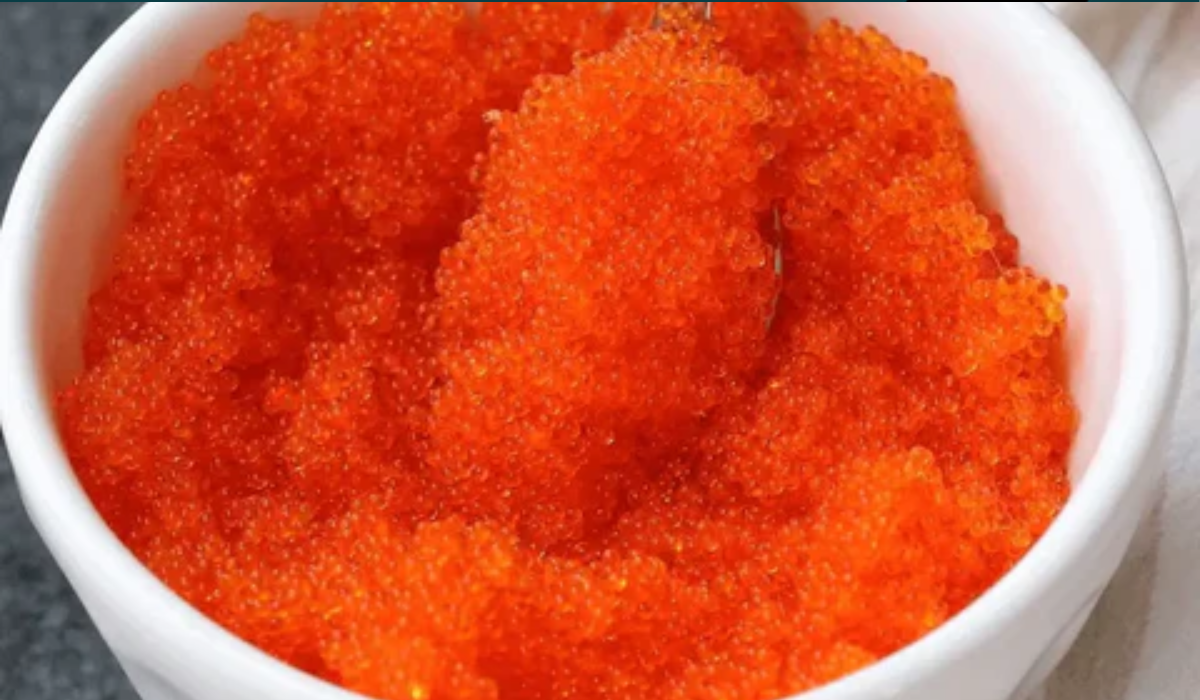
Tobiko is the roe (eggs) of the flying fish, a type of marine fish commonly found in warm ocean waters. The small eggs are carefully harvested, processed and often flavoured or coloured before being used in food preparation. This popular ingredient is widely enjoyed in Japanese cuisine and has also become increasingly popular in Food UK markets, where sushi and Asian-inspired dishes continue to grow in popularity.
The term flying fish roe refers specifically to these tiny edible eggs. Tobiko is widely used in Japanese cooking because of its attractive appearance and distinctive texture.
Characteristics of Tobiko
Tobiko is recognised for several unique qualities:
- Small, crunchy fish eggs
- Slightly salty and smoky flavour
- Bright natural colours
- Firm texture compared with other types of roe
- Popular sushi ingredient
In the UK, tobiko is often found in Japanese restaurants, sushi bars and specialist Asian food shops.
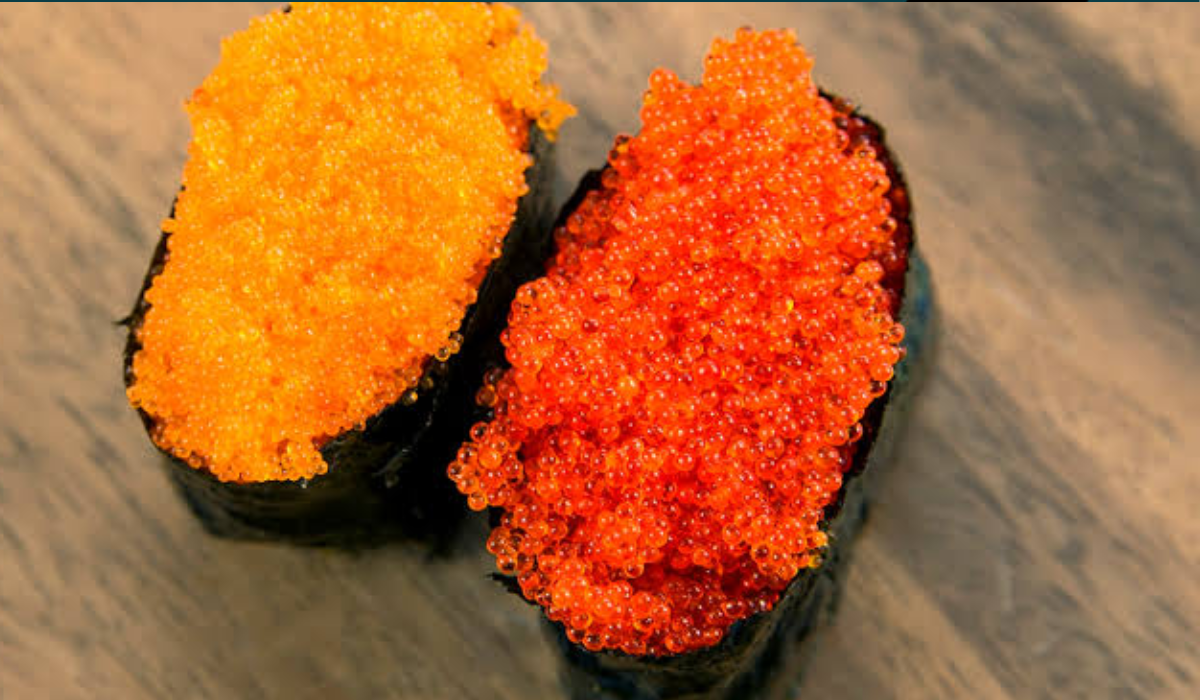
Flying Fish Roe: A Popular Japanese Delicacy
Flying fish roe has been an important ingredient in Japanese cuisine for many years. The eggs are carefully collected and prepared to maintain their texture and flavour.
Because flying fish eggs are naturally small and colourful, they are ideal for decorating sushi rolls, sashimi dishes and rice bowls. Chefs often use tobiko to add contrast, flavour and an elegant appearance, making it a valuable ingredient crucial for food businesses that focus on premium presentation, Japanese cuisine and high-quality dining experiences.
Why Is Tobiko Used in Sushi?
Tobiko is popular in sushi because it provides:
- A crunchy texture that contrasts with soft rice and fish
- A salty seafood flavour
- A colourful finishing touch
- Additional visual appeal
Many sushi dishes use tobiko as a topping or filling ingredient.
Different Types of Tobiko
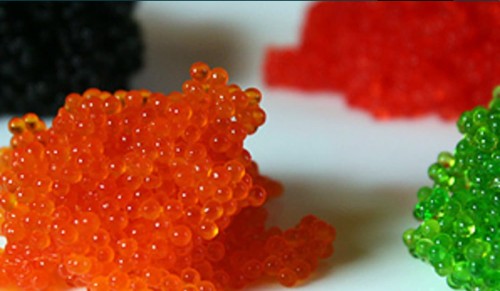
Tobiko comes in several colours, each offering a slightly different appearance and sometimes a unique flavour profile. The most common varieties include orange tobiko, red tobiko, black tobiko and green tobiko.
Orange Tobiko
Orange tobiko is the most traditional and widely recognised variety. It has a bright orange appearance and is commonly served on sushi rolls and nigiri.
The natural colour of orange tobiko comes from the flying fish eggs themselves, although some varieties may receive additional colouring during preparation.
Features of Orange Tobiko
- Classic tobiko appearance
- Mild salty flavour
- Crunchy texture
- Common sushi topping
Orange tobiko is often considered the standard choice for people trying tobiko for the first time.
Red Tobiko
Red tobiko is another popular variety used in Japanese dishes. It usually has a deeper colour compared with traditional orange tobiko.
The stronger colour makes it a popular decorative ingredient for sushi plates and special dishes.
Uses of Red Tobiko
Red tobiko can be used for:
- Sushi rolls
- Seafood bowls
- Appetisers
- Decorative toppings
Its flavour is similar to traditional tobiko, with a slightly salty and seafood-rich taste.
Black Tobiko
Black tobiko is created by adding natural colouring, often from squid ink, to give the eggs a dark appearance.
It is especially popular in modern sushi presentation because the black colour creates a striking contrast against white rice and fresh seafood. Due to its unique appearance and premium appeal, black tobiko is often sought after by chefs, sushi restaurants and specialty stores that offer high-quality Japanese ingredients.
Benefits of Black Tobiko Appearance
- Creates an elegant sushi presentation
- Adds visual contrast
- Maintains the classic tobiko texture
Black tobiko is commonly used in high-end sushi restaurants and creative Japanese dishes.
Green Tobiko
Green tobiko is usually flavoured and coloured with ingredients such as wasabi. It offers a different experience compared with traditional tobiko varieties.
The green colour and slightly spicy flavour make it a popular choice for sushi lovers who enjoy stronger flavours.
Characteristics of Green Tobiko
- Bright green appearance
- Mild spicy taste
- Crunchy texture
- Often paired with sushi and seafood
Green tobiko is a great option for adding extra flavour and colour to Japanese dishes.
Tobiko vs Other Types of Fish Roe
Tobiko is often compared with other types of seafood roe, such as masago and ikura.
Compared with masago, tobiko eggs are generally larger and have a firmer, crunchier texture. Compared with ikura (salmon roe), tobiko has much smaller eggs and a lighter flavour.
Each type of roe has its own unique characteristics, but tobiko remains one of the most recognisable sushi ingredients worldwide.
How Is Tobiko Used in the UK?
In the UK, tobiko is becoming increasingly popular as Japanese food continues to grow in popularity. It can be found in sushi restaurants, Japanese supermarkets and online speciality food stores.
Common uses include:
- Sushi rolls
- California rolls
- Sashimi toppings
- Seafood rice bowls
- Japanese appetisers
- Decorative food presentation
Conclusion: Why Tobiko Remains Popular
Tobiko, also known as flying fish roe or flying fish eggs, is valued for its crunchy texture, colourful appearance and unique seafood flavour. Whether you choose orange tobiko, red tobiko, black tobiko or green tobiko, each variety adds something special to Japanese cuisine.
For sushi enthusiasts in the UK, tobiko remains a popular ingredient that combines taste, texture and presentation, making it an essential part of modern Japanese dining.
Frequently Asked Questions
What is flying fish roe?
Flying fish roe is another name for tobiko, which refers to the edible eggs collected from flying fish. It is commonly used in Japanese sushi dishes.
What does tobiko taste like?
Tobiko has a mild salty flavour with a slightly smoky seafood taste. Its most noticeable feature is its crunchy texture.
What is orange tobiko?
Orange tobiko is the traditional variety of tobiko and is the most commonly used type in sushi. It has a bright colour and classic seafood flavour.
What is the difference between red tobiko and black tobiko?
The main difference is appearance. Red tobiko has a deeper red colour, while black tobiko is usually coloured with ingredients such as squid ink for a darker look.
Is green tobiko spicy?
Green tobiko often contains wasabi flavouring, giving it a mild spicy taste compared with traditional tobiko varieties.
Where can I buy tobiko in the UK?
Tobiko can be purchased from Japanese restaurants, Asian food shops and online seafood suppliers across the UK.
Reactions
Be the first to write a review.
Running a food business may be exciting, especially if you’re passionate, but it’s also time-consuming and daunting. You have a lot on your plate, and complying with food allergen rules is
Read more
09-12-2021 - How Automated Food Inspections Ensure Food Quality
Food and beverage safety and quality are of paramount importance in the food and beverage industry. Many food manufacturers prioritize this because the future of their business depends on this. Neg
Read more
Author

Joseph