Birchwood Furniture and Home Decor: Birch Living, Birch & Oak, and Birchplace Style Guide
Birchwood Furniture and Home Decor: Birch Living, Birch & Oak, and Birchplace Style Guide
Natural materials, timeless designs, and comfortable living spaces continue to shape modern interior design. Wooden furniture can bring warmth, texture, and character into a home while complementing a wide range of decorating styles. Names such as Birchwood Furniture, Birchwood Home, Birch Living, Birch & Oak Furniture, and Birchplace Home Decor evoke this connection between natural materials and thoughtful home design.
Whether you are furnishing a new home, refreshing a living room, or looking for inspiration for a more natural interior, understanding these furniture and decor concepts can help you make informed choices. Each name suggests a slightly different approach to creating welcoming spaces, from traditional wooden furniture to contemporary styling and coordinated home accessories.
This guide explores the design ideas associated with these five names, explains how to incorporate natural wood into different rooms, and offers practical advice for choosing furniture that suits your needs.
1. Birchwood Furniture: Natural Beauty and Everyday Functionality
Birchwood Furniture represents a design approach centred on the natural appearance and practical qualities of wood. Birch is commonly appreciated for its relatively light colour, subtle grain, and versatile appearance. These characteristics make birch wood suitable for furniture that works in both traditional and contemporary interiors.
The Appeal of Birch Wood
Birch wood generally features a pale cream or light yellow-brown colour, sometimes with a soft reddish tone. Its relatively understated grain allows it to fit comfortably into interiors with neutral palettes, colourful accents, or contrasting materials.
Furniture made from birch can include dining tables, chairs, desks, shelving units, bedside tables, and cabinets. Its appearance works particularly well in rooms where homeowners want a bright, uncluttered atmosphere.
The actual durability and maintenance requirements depend on the construction, finish, and intended use of each piece. Solid birch, birch veneer, and other engineered wood products can have different characteristics, so checking product specifications is important before purchasing.
How to Style Birchwood Furniture
Birchwood furniture can be paired with several interior styles:
Scandinavian interiors: Combine light wood with white walls, simple textiles, and functional furniture.
Modern interiors: Use clean-lined birch furniture alongside metal details, glass, and neutral upholstery.
Natural interiors: Add linen curtains, woven baskets, wool rugs, and indoor plants.
Eclectic spaces: Pair birch pieces with colourful artwork, patterned cushions, and contrasting furniture.
To maintain a balanced look, consider repeating the wood tone in two or three areas of the room. Matching every wooden item is not essential; related colours and finishes can create a cohesive result.
2. Birchwood Home: Creating a Warm and Welcoming Interior
Birchwood Home suggests a home furnishing concept that brings natural wood into everyday living. Rather than focusing exclusively on individual furniture pieces, this approach considers how furniture, lighting, textiles, and accessories work together.
Furniture for Every Room
A coordinated home can feel comfortable without looking overly uniform. Different rooms have different practical requirements, and selecting furniture according to those needs helps maintain both functionality and visual consistency.
In the living room, a wooden coffee table or media cabinet can provide a natural focal point. In the bedroom, a birch bedside table or chest of drawers can introduce warmth without overwhelming the space. In a home office, a wooden desk and practical shelving can create an organised environment.
Dining areas also benefit from the versatility of wood. A wooden dining table can work with upholstered chairs, simple wooden seating, or a combination of different materials.
Building a Consistent Home Style
Creating a coordinated interior begins with identifying a preferred colour palette. Soft white, beige, grey, sage green, and earthy brown can complement light wood, although stronger colours can also work when used intentionally.
Lighting is another important consideration. Natural daylight can emphasise the lighter tones of birch, while warm artificial lighting can create a cosy atmosphere in the evening.
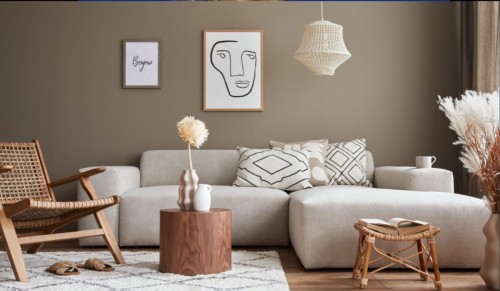
Accessories should support the room rather than compete with the furniture. Ceramic vases, simple lamps, framed artwork, and textured cushions can add personality while allowing the wood grain to remain visible.
A welcoming home does not need to contain matching furniture from a single collection. Pieces from different sources can work together when their proportions, colours, and finishes are thoughtfully balanced.
3. Birch Living: Simple Furniture for Modern Lifestyles
Birch Living suggests a contemporary approach to furnishing a home with an emphasis on simplicity, comfort, and practical design. This concept is particularly relevant to flats, smaller homes, and spaces where furniture needs to serve several purposes.
The Principles of Simple Living
Minimalist furniture design often prioritises useful features, clean lines, and uncluttered surfaces. Instead of filling every corner, homeowners can focus on a few well-chosen pieces that meet their everyday needs.
A compact dining table, a comfortable sofa, and a practical storage unit may be more useful than a room filled with decorative furniture. Choosing pieces with appropriate dimensions also makes it easier to move around and use the room comfortably.
Natural wood can soften minimalist interiors, which might otherwise feel cold when dominated by white surfaces, glass, and metal.
Practical Furniture for Small Spaces
In smaller rooms, furniture selection should begin with accurate measurements. Measure the available floor area, doorways, and access routes before buying large pieces.
Consider these practical options:
Extendable dining tables for flexible seating.
Storage beds for keeping seasonal items organised.
Wall-mounted shelves for displaying books and accessories.
Narrow cabinets for hallways and compact living areas.
Nesting tables that can be separated when additional surface space is needed.
Multifunctional furniture can help a room adapt to changing activities. However, storage capacity, stability, and ease of use should be considered alongside appearance.
Balancing Comfort and Visual Simplicity
Simple interiors still need texture and personality. Soft rugs, comfortable cushions, layered lighting, and artwork can make a minimalist room feel more inviting.
Wooden furniture can provide a visual connection between these elements. A birch coffee table, for example, can complement a neutral sofa and a textured rug without introducing too many competing details.
The goal is not to remove everything unnecessary but to create a space that feels organised, comfortable, and suitable for everyday life.
4. Birch & Oak Furniture: Combining Wood Tones and Textures
Birch & Oak Furniture suggests a combination of two familiar wood types. Birch is often associated with a light, subtle appearance, while oak commonly has a more pronounced grain and can range from pale beige to deeper brown, depending on the species and finish.
Combining these woods can create visual contrast and add depth to a room.
Understanding Birch and Oak
Birch is often selected for its relatively uniform appearance and light tone. Oak is valued for its distinctive grain and the variety of finishes available.
Both can be used in furniture such as tables, chairs, cabinets, desks, and shelving. Their final appearance depends on the finish, construction method, and whether the product uses solid wood, veneer, or engineered materials.
When comparing products, it is useful to look beyond the colour shown in photographs. Lighting, screen settings, and surface treatments can make the same wood species appear different.
How to Mix Different Wood Finishes
Combining different wood tones works best when the contrast appears deliberate. A light birch dining table can be paired with oak chairs, for example, if their shapes and finishes complement one another.
These principles can help create a balanced result:
Choose a dominant wood tone. Let one finish appear more frequently throughout the room.
Introduce contrast gradually. Use a second wood tone for a table, shelving unit, or accent chair.
Repeat related colours. Connect the wood finishes through flooring, frames, or smaller accessories.
Consider undertones. Some woods appear warmer or cooler than others, which can affect how well they work together.
Keep proportions in mind. Large contrasting pieces have a stronger visual impact than small decorative details.
Suitable Interior Styles
Birch and oak can work together in Scandinavian, contemporary, rustic, and transitional interiors. In a Scandinavian room, pale birch can dominate while oak adds subtle warmth. In a rustic interior, oak may provide a stronger visual presence, with birch helping to lighten the overall composition.
There is no universal rule requiring wood finishes to match exactly. The most important considerations are proportion, colour relationships, and the overall atmosphere you want to create.
5. Birchplace Home Decor: Finishing a Room with Thoughtful Details
Birchplace Home Decor suggests an approach to interior styling in which accessories and decorative elements complement the furniture. Small details can help a room feel complete without requiring a major renovation.
Decorative Accessories for Natural Interiors
Accessories provide opportunities to introduce texture, colour, and personal character. Wooden trays, ceramic bowls, woven baskets, neutral cushions, and framed prints can all complement natural furniture.
The most suitable accessories depend on the room's function. A living room may benefit from soft textiles and layered lighting, while a hallway may need a mirror, a small shelf, and practical storage.
For bedrooms, understated accessories can help create a relaxing atmosphere. Bedside lamps, fabric storage baskets, and artwork can add interest without making the room feel crowded.
Choosing Colours and Materials
A natural interior does not have to rely exclusively on brown and beige. Muted greens, deep blue, terracotta, black, and warm white can all work with wooden furniture.
The key is to distribute colours thoughtfully. A neutral sofa can provide a background for green cushions, while a wooden table and ceramic accessories maintain a connection to natural materials.
Mixing textures can also make a room more engaging. Smooth wood, soft cotton, woven fibres, glass, and ceramic surfaces create variety without requiring a complicated colour scheme.
Seasonal Updates Without Replacing Furniture
Home decor can be refreshed throughout the year using relatively small changes. During warmer months, lighter fabrics and fresh colours may make a room feel airy. In colder seasons, thicker throws, textured cushions, and warm lighting can create a cosier environment.
Changing accessories rather than replacing major furniture pieces can also help manage costs and reduce unnecessary purchases.
How to Choose Furniture That Suits Your Home
Although Birchwood Furniture, Birchwood Home, Birch Living, Birch & Oak Furniture, and Birchplace Home Decor suggest related design ideas, selecting furniture should begin with your actual requirements.
Consider Quality and Construction
Check whether a product is made from solid wood, veneer, plywood, or another engineered material. Each construction method has different characteristics, and none should be judged by appearance alone.
Look at the quality of joints, drawer mechanisms, hardware, surface finishes, and the stability of the furniture. For items used every day, such as dining tables and chairs, construction quality can be particularly important.
Measure Before You Buy
Measure the room carefully and account for doors, windows, radiators, and walking routes. Furniture should fit comfortably within the available space while allowing people to move around safely.
For online purchases, review the listed dimensions, assembly requirements, delivery conditions, and returns policy.
Consider Maintenance and Sustainability
Different wood finishes require different cleaning methods. Follow the manufacturer's care instructions, use suitable cleaning products, and protect surfaces from excessive moisture and heat.
If sustainability is important to you, look for transparent information about material sourcing, recognised forest certification where applicable, product longevity, repair options, and responsible manufacturing practices. Avoid assuming that a product is sustainable based on its name or natural appearance alone.
Set a Realistic Budget
Furniture prices vary according to materials, construction, dimensions, finish, and brand. Compare products with similar specifications rather than judging them by photographs alone.
It can be useful to prioritise frequently used items first, such as a bed, sofa, or dining table, and add decorative accessories over time. This approach helps create a functional home without requiring every room to be completed at once.
Frequently Asked Questions (FAQ) 1. What is Birchwood Furniture?
Birchwood Furniture refers to furniture made from birch wood or products designed to feature its appearance. Common examples include tables, chairs, desks, shelving units, and cabinets. Product construction and durability vary by manufacturer.
2. What does Birchwood Home mean?
Birchwood Home suggests a home furnishing style that incorporates birch wood and complementary accessories. It can describe an interior concept or a brand name, depending on the context.
3. Is Birch Living suitable for small flats?
The Birch Living concept emphasises simplicity, functional furniture, and uncluttered spaces. These principles can be useful in small flats, especially when combined with compact furniture, vertical storage, and careful room measurements.
4. Can birch and oak furniture be used together?
Yes. Birch and oak can complement one another through contrasting colours and grain patterns. Choosing a dominant wood tone and repeating related finishes can help create a cohesive interior.
5. What accessories work well with Birchplace Home Decor?
Wooden trays, ceramic vases, woven baskets, neutral textiles, framed artwork, and warm lighting can complement natural furniture. The best choices depend on the room's style, colours, and practical needs.
6. How do I maintain wooden furniture?
Follow the manufacturer's care instructions, clean surfaces with suitable products, and avoid excessive moisture and heat. The right maintenance method depends on the type of wood and its finish.
7. Is solid wood better than wood veneer?
Neither option is automatically better for every situation. Solid wood may offer particular repair and refinishing advantages, while quality veneer can provide an attractive surface and use wood resources efficiently. Construction, intended use, and maintenance requirements should guide your choice.
8. How can I create a natural-looking living room on a budget?
Start with essential furniture, use a consistent colour palette, and introduce affordable accessories such as cushions, rugs, and second-hand decor. Reusing existing furniture and updating its styling can also refresh a room without replacing everything.
9. How do I know whether a furniture brand is genuine?
Check the company's official website, business contact details, product specifications, customer service information, and independent reviews. Do not assume that similarly named businesses are affiliated without verifying their identities.
10. Are Birchwood Furniture, Birchwood Home, Birch Living, Birch & Oak Furniture, and Birchplace Home Decor the same company?
The names alone do not establish that these are related businesses. They may be used as descriptive phrases or by separate brands. Verify each company's official information before assuming a connection.
Conclusion
Birchwood Furniture, Birchwood Home, Birch Living, Birch & Oak Furniture, and Birchplace Home Decor all evoke ideas associated with natural materials, practical furniture, and welcoming interiors. From the understated appearance of birch to the distinctive grain of oak, wooden furniture offers many ways to introduce warmth and texture into a home.
The most successful interior choices combine appearance with functionality. By measuring your space, comparing construction quality, selecting complementary finishes, and choosing accessories carefully, you can create a home that reflects your preferences and supports everyday living.
Whether you prefer Scandinavian simplicity, modern minimalism, or a more rustic atmosphere, natural wood and thoughtful decor can help create a comfortable, balanced space. Before purchasing from any particular brand, remember to verify its identity, materials, product details, and customer policies so that your choices are based on reliable information rather than a name alone.
Reactions
Be the first to write a review.
Daals Furniture is a useful starting point for exploring modern furniture, home furnishings, and interior design ideas. Whether you are furnishing a new property, updating a living room, or looking fo
Read more
29-08-2026 - Furniture Village UK: Delivery, Finance, Reviews, Warranty &
Furniture Village is one of the UK's best-known furniture retailers, offering a wide selection of sofas, dining furniture, bedroom collections and home accessories. Whether you're furnishing a
Read more
25-06-2026 - Birchplace Furniture UK: Showrooms, Locations and Delivery S
Finding quality furniture that combines style, comfort, and affordability is a priority for many homeowners across the United Kingdom. Whether furnishing a new property, upgrading an existing living s
Read more
05-06-2026 - Furniture Village UK Sale, Offers & Deals Guide
Furniture shopping in the UK has become more competitive and convenient in recent years, with many customers now choosing online platforms and well-established retailers for home furnishing needs. Amo
Read more
Author

Charlotte